

Mastering Custom Book Designs
- A Arnold
- Nov 10, 2025
- 5 min read

When I first dipped my toes into the world of custom book design, I was overwhelmed by the endless possibilities. How do you make a book not just a collection of pages, but a treasure that invites readers to linger? It’s a question I’ve wrestled with, and today, I want to share what I’ve learned. Whether you’re a reader, a gift-giver, or someone searching for inspiration, mastering custom book design can transform your experience with books into something truly magical.
Why Custom Book Design Tips Matter
Books are more than words on paper. They are vessels of emotion, imagination, and connection. When you hold a book that’s been thoughtfully designed, you feel it immediately. The texture of the cover, the font choice, the layout - all these elements whisper stories before you even read a single line.
I remember gifting a custom-designed book to a close friend. The cover was a soft matte finish with gold foil accents, and inside, the pages were printed on creamy, thick paper. She told me it felt like holding a piece of art. That moment made me realize how powerful design is in shaping our relationship with books.
Here are some custom book design tips that can help you create or appreciate books that resonate deeply:
Choose the right materials: Paper quality, cover texture, and binding style all affect the tactile experience.
Consider typography carefully: Fonts should be readable but also reflect the book’s mood.
Use color thoughtfully: Colors evoke emotions and can set the tone before the first word is read.
Balance visuals and text: White space is your friend; it gives the eyes a place to rest.
Personalize where possible: Embossed initials, custom illustrations, or unique endpapers add a special touch.

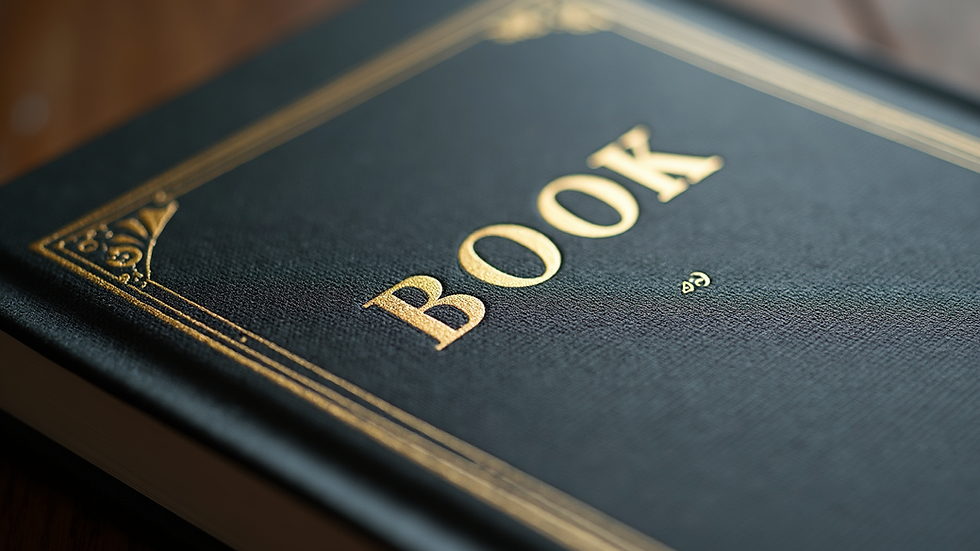
The subtle elegance of a well-designed book cover invites readers to explore inside.
Practical Custom Book Design Tips for Beginners
If you’re new to custom book design, don’t worry. It’s a journey, and every step is a chance to learn. Here are some practical tips that helped me get started and might help you too:
Start with a clear concept
What story or feeling do you want your book to convey? Is it cozy and warm, bold and adventurous, or serene and reflective? Your design choices should align with this concept.
Sketch your ideas
Before jumping into software or ordering materials, sketch your cover and page layouts. This helps you visualize and refine your ideas.
Select fonts that complement each other
Use one font for headings and another for body text. Avoid too many fonts; two or three are enough to keep things cohesive.
Pay attention to margins and spacing
Crowded text can be tiring to read. Generous margins and line spacing improve readability and aesthetics.
Incorporate meaningful imagery
Whether it’s a hand-drawn illustration or a photograph, images should enhance the story, not distract from it.
Test print samples
Before finalizing, print a few pages to see how colors and fonts look on paper. Screens can be deceiving.
Seek feedback
Share your designs with friends or fellow readers. Fresh eyes can spot things you might miss.
By following these steps, you’ll build confidence and create books that feel personal and inviting.
The Art of Storytelling Through Design
Design is storytelling without words. It’s the silent narrator that sets the stage for the tale inside. When I design a book, I think about the journey I want the reader to take from the moment they pick it up.
For example, a mystery novel might have a dark, moody cover with sharp, angular fonts to hint at suspense. A children’s book could burst with bright colors and playful illustrations that spark joy and curiosity.
One of my favorite projects was designing a book of poetry. I chose soft pastel colors and delicate script fonts to mirror the gentle emotions in the poems. The pages had wide margins and subtle floral borders, creating a peaceful reading experience.
If you want to explore this further, consider browsing creative custom designs for inspiration. They offer a wonderful range of ideas that blend artistry with storytelling.

Design elements that echo the tone of the poetry create a harmonious reading experience.
Personalizing Your Book: Small Touches, Big Impact
There’s something deeply satisfying about a book that feels made just for you. Personalization doesn’t have to be complicated or expensive. Here are some ideas that can make your book uniquely yours or a heartfelt gift:
Custom endpapers: Use patterned or colored paper inside the covers to add surprise and delight.
Handwritten notes or dedications: A personal message on the first page can make a book a cherished keepsake.
Embossed or foil-stamped covers: These add texture and a touch of luxury.
Unique bookmarks: Include a matching bookmark that complements the book’s design.
Illustrated chapter headings: Small drawings or decorative fonts can enhance the reading rhythm.
I once received a novel with a hand-painted cover and a note from the author inside. It felt like a secret handshake between us, a connection beyond the printed words.
If you’re looking to explore more ideas, check out creative custom designs for inspiration that can spark your imagination.
Bringing Your Vision to Life: Tools and Resources
You don’t need to be a professional designer to create beautiful custom books. There are plenty of tools and resources that make the process accessible and enjoyable:
Design software: Programs like Canva, Adobe InDesign, or Affinity Publisher offer templates and easy-to-use features.
Online printing services: Many companies allow you to upload your design and order small print runs.
Stock image libraries: Sites like Unsplash or Pixabay provide free images you can legally use.
Typography resources: Google Fonts and DaFont offer a wide range of free fonts.
Tutorials and courses: Platforms like Skillshare or YouTube have step-by-step guides for beginners.
When I started, I relied heavily on free resources and gradually invested in better tools as my skills grew. The key is to experiment and enjoy the process.
Embracing the Journey of Custom Book Design
Designing a custom book is a journey of discovery. It’s about more than aesthetics - it’s about creating a connection, evoking emotions, and celebrating stories in a way that feels personal and meaningful.
I encourage you to take that first step. Play with colors, fonts, and textures. Imagine the story your book wants to tell before the reader even opens it. And remember, every detail matters - from the weight of the paper to the curve of a letter.
If you ever feel stuck, look for inspiration in unexpected places. Nature, art, music, and even your own memories can guide your creative choices.
Above all, trust your instincts. Your unique perspective is what will make your custom book design truly special.
I hope these insights and tips inspire you to explore the wonderful world of custom book design. Whether you’re creating a gift, a personal keepsake, or simply indulging your love of books, the possibilities are endless. Happy designing!


Comments